Benjamin Stora stirs up stagnant waters: It is time for France to acknowledge its dark history in Algeria – Algerian Dialogue

Sublime Hamish
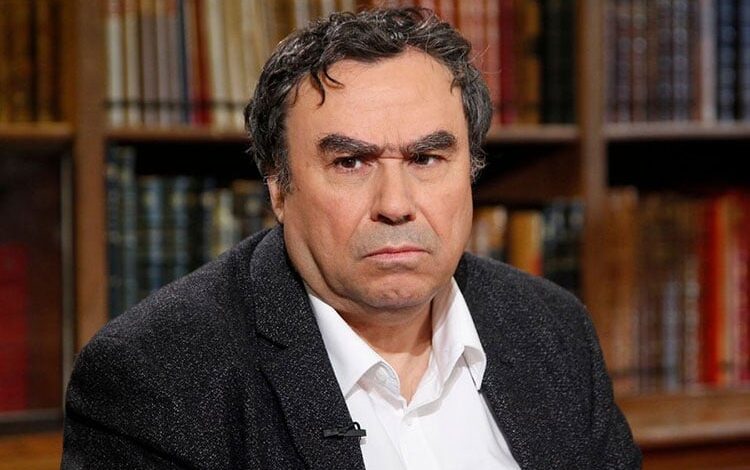
French historian Benjamin Stora, who specializes in the history of French colonialism and the Algerian War, reignited the sensitive debate about the memory file between Algeria and France, after his recent statement to the Algeria international channel “24 News,” in which he explicitly called for the necessity of France’s full recognition of its colonial crimes in Algeria, a page of history that, as he said, some circles in the French political class are trying to cast doubt on. French historian Benjamin Stora stressed the necessity of France’s official recognition of its colonial crimes in Algeria, especially the massacres committed against Algerians and the theft of their lands, which is a page of history – as he said – that some circles in the French political class are trying to cast doubt on.
He should building Bridges New between The two banks
The French historian, who had previously been subjected to attacks by the French extreme right and those nostalgic for “French Algeria,” because of his writings and positions against French colonialism on the issue of memory, explained that new bridges must be built between the two shores, through work on history, recalling the initiative launched by the President of the Republic, Abdelmadjid Tebboune, represented by the establishment of the Algerian-French Joint Committee for History and Memory.
necessity re writing this the date until becomes Available For the French
Speaking about the chronology of the horrific French colonial period in Algeria (1830-1962), the French historian stated that it was characterized by the theft of the Algerians’ lands, the plundering of their wealth, and the commission of massacres against them, describing them as crimes against humanity, regretting that these facts “do not exist in French textbooks.” Stora added that “France remained silent” regarding this tragic stage, stressing the need to “rewrite this history so that it becomes available to the French,” pointing in this regard to the importance of the issue of the archive, which “should be available to researchers and historians from both sides.” He also touched on the attacks he was subjected to from some political circles in France, especially from the extreme right, which seeks to question France’s colonial past and its crimes in Algeria, and they are, Stora says. “Those who did not want to hear anything about the massacres committed against the Algerians, as well as about the nuclear tests…” He concluded by saying: “Now we must see what we can do in order to put things back on track and reveal the truth about the French occupation of Algeria.”
Statements Stora She came from a personality French
Based on these statements, which have long been subject to attacks from some political circles in France, especially from the extreme right, which seeks to question France’s colonial past and its crimes in Algeria, they reflect a noticeable shift within the French intellectual elite, which has come to realize that history cannot be erased through denial or selectivity, and that the page on the past cannot be turned until the full truth is acknowledged.
With his statements, Stora disturbs the far-right movement and its godfathers, because he refutes all their claims regarding the Algerian War, and rejects their historical lies, especially those related to the colonial crimes committed by French generals against the Algerians, whether during the liberation revolution or in the early stages of the French invasion of Algeria.
“memory colonization And war Algeria“
It is noteworthy that French President Emmanuel Macron commissioned Benjamin Stora in 2020 to prepare a report on “The Memory of Colonialism and the Algerian War,” but when the report was issued in 2021, he was widely criticized in Algeria, because he avoided using the language of apology or direct condemnation, but at least he is credited with the fact that the results of his report were behind France’s recognition of its responsibility in liquidating many of the men of the revolution such as Ali Boumendjel and Ben M’hidi and some of its French supporters, such as Maurice Audin, etc. Stora, in his last statement, seemed clearer and bolder, as if he was implicitly responding to the French official reservations, to say, “Recognition is not a weakness, but rather a moral strength.”
This shift in Stora’s position suggests that he is no longer bound by the logic of French political balance, but rather chose to speak with the mouth of a historian rather than a diplomat, stressing that the time has come to end the stage of historical hypocrisy practiced by Paris towards its former colonies.
Algeria in location Consistency
From the Algerian side, Stora’s statements are in line with the official Algerian position, as President Abdelmadjid Tebboune stressed on more than one occasion that “the memory file is not subject to negotiation or barter.” Algeria is not looking for material compensation as much as it is demanding moral and political recognition of the crimes of colonialism, a recognition that restores the Algerian people’s historical dignity and closes the door to French interpretations that try to mitigate what happened. Algerian public opinion also sees such statements by prominent French figures as a victory for Algerian historical rights, and an embarrassment to the French regime, which to this day refuses to issue an official apology similar to what countries such as Germany or Belgium did towards their former colonies.
Messages Political exceed Memory
Although Stora’s speech came within a historical context, it carries clear political connotations. In a situation in which Algerian-French relations are experiencing fluctuations between détente and tension, this statement reminds Paris that the colonial file is still the key to the bilateral relationship. France cannot aspire to a “balanced partnership” with Algeria, while denying its crimes in the past. It is a double message to the Elysee and to French public opinion alike, that realism does not mean forgetting and that confronting history is part of cleansing national memory.
the date no Shut up whatever Long Time
In the end, Benjamin Stora’s statement represents a cry of conscience in the face of French denial, and a call for real, not formal, historical reconciliation between Algeria and France. History, as the thinker Paul Ricoeur once said, “is not only what has passed, but what has not yet ended.” Today, more than sixty years after Algeria’s independence, it seems that French recognition of colonial crimes is no longer just an Algerian demand, but rather a humanitarian and moral necessity to build a relationship based on truth, not forgetfulness, and on equality, not guardianship.
#Benjamin #Stora #stirs #stagnant #waters #time #France #acknowledge #dark #history #Algeria #Algerian #Dialogue
#oussama_boulegheb #elhiwardz #alakhibariat.xyz #elhiwar #elhiwar-en