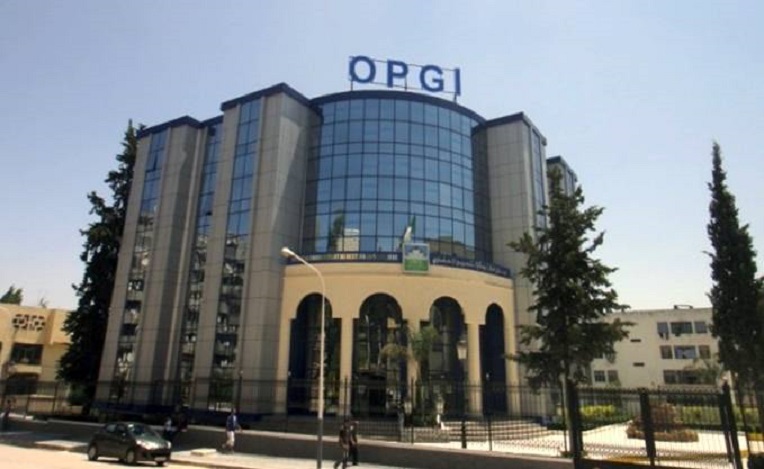
The services of the Office of Promotion and Real Estate Management in the state of Algiers (Oubigi) have begun counting vacant or unused public rental housing within the social housing program in anticipation of granting it to its actual beneficiaries.
Since the beginning of the week, teams from the Promotion and Real Estate Management Offices have inspected and inspected public rental housing and counted vacant or unused housing, or those that were sold in the framework of the famous transaction called “the key,” or were rented illegally. The teams are content with requesting the national ID card or family booklet to verify the identity of the real owner of the housing.
This process comes in implementation of Ministerial Instruction No. 1127 dated December 20, 2023, and as revealed by the Minister of Housing, Urbanism and the City, Mohamed Tarek Belaribi, in his response to a parliamentary concern about reviewing the social housing model and proposing to adopt the permanent rental formula, he began a periodic inspection and census of social housing subject to the rental system by assigning specialized teams for this process.
The last inspections began in the year 2025, and it was noted, according to the Minister, that most of the vacant housing distributed during the last two years had been made by the beneficiaries of some improvements and painted, indicating that the process of granting these housing takes into account the social status of its applicants, while classifying them among the needy groups, who do not have housing or live in inappropriate units, stressing that the goal is to ensure a fair and equitable distribution of social housing, while working to develop a sustainable model that reduces… of vacancy and enhances the effectiveness of the National Social Housing Program.
Initial inspections revealed that the census and monitoring process followed had a positive impact in reducing the phenomenon of non-occupancy and vacancy of housing, as the enrollment of beneficiaries in their housing was recorded after they sensed the presence of interest, follow-up and control to prevent misuse of housing, which are originally housing of a privileged social nature, in which the social status of housing seekers was taken into account and they were classified among the needy and deprived groups that do not own housing or live in housing. It is inappropriate and does not preserve the dignity of the Algerian citizen.”
Earlier, the Ministry of Housing revealed that it had completed the process of reviewing and amending the executive decree specifying the conditions for granting public rental housing, explaining that the amended text is currently in the stage of being sent to the interests of the General Secretariat of the government for discussion, in preparation for its publication in the Official Gazette, with the exclusion of raising the family income ceiling set at 24 thousand Algerian dinars at the present time, provided that this proposal – according to it – remains subject to study in the future according to economic and social variables.
The Ministry stressed that groups whose family income exceeds this ceiling can go to other programmed housing formulas, which have been allocated according to the legally specified salary and income levels, ensuring a kind of social justice in the distribution of the various housing formulas.
The Ministry also clarified that the right to benefit from each housing formula remains directly linked to the level of monthly income, as a housing applicant whose family income exceeds the ceiling of 24 thousand dinars cannot benefit from public rental housing, but in return he can go to other formulas, similar to the lease sale formula.
Fouad Q
#Obegi #counts #unused #housing #units #redistribution #Algeria