I bid farewell to the representative Movement of Society for PeaceMusa Kharfi, proposed a law to the lower chamber office that aims to establish strict controls for the organization Use of smart phones Among children under the age of 16 years, with a focus on protecting the vulnerable age group from the digital, health and social risks resulting from the unsupervised use of these devices..
One of the justifications given by the representative in presenting the reasons is that “the rapid technological development and the spread of smart phones among children imposes the necessity of regulating their use of these devices because they have not remained just a means of communication, but rather integrated digital spaces that provide access to a huge amount of information, pictures, videos, and interactive applications, which raises educational, health, and security challenges.”
Recent studies have shown that excessive and unsupervised use of smartphones by children causes a number of health risks, and the speaker cited: poor sleep, obesity resulting from lack of movement, in addition to To the negative effects on neurological and psychological development, he also pointed to parallel psychological and social risks, including social isolation, poor direct communication skills, high levels of anxiety and depression, as well as increased exposure to the phenomenon of cyberbullying and harmful content.
This law aims to create a balance between benefiting from modern technology and protecting children from potential harm, by regulating the acquisition and use of smart phones, strengthening the role of the family and educational institutions, and imposing control on service providers and digital content., The proposal also seeks to raise the level of family and educational awareness of the dangers Digital addictionEnsuring a safe digital environment for children under 16 years of age.
The proposal comes in response to the concerns of families, educational institutions, and associations about the negative effects of unsupervised use of smartphones, reflecting the keenness to integrate the legal, educational, and health aspects within the framework of child protection and digital rehabilitation..
There is an urgent need to establish legal controls
The author of the proposal pointed out the security and moral risks associated with the unguided use of these phones, as they facilitate access to content that is inappropriate for their age or expose them to attempts at exploitation online through games, applications, or social media platforms. The author of the proposal stressed that “these challenges together require the intervention of the legislator to establish clear legal controls that guarantee the protection of children under the age of sixteen from unsafe use, without in return depriving them of benefiting from the positive aspects of technology.”“.
According to the spokesman, the proposal comes in response to concerns expressed by families, educational institutions, and associations about the negative effects of unsupervised use of smart devices.It aims to regulate the acquisition and use of smartphones by children and oblige those involved in regulation to provide effective parental control tools, in addition to enhancing family and educational awareness of the dangers of digital addiction and harmful content.
The proposal was based in its reference on the ratified Convention on the Rights of the Child, as it emphasizes the principle of protecting the child from everything that may harm his health, growth or balance, while guaranteeing his right to safely benefit from the means of knowledge and development, not to mention other international agreements.. The regulatory provisions of the project defined the smartphone as any portable electronic device that enables communication Connecting to the Internet, installing applications, and accessing social media platforms and electronic games in order to accurately control the applied field of the law.
Prohibiting the introduction of phones into educational institutions
The proposal includes 14 articles aimed at controlling the use of smartphones by children. For example, Article 4 of the draft law prohibits children under 16 from using smartphones except for educational purposes under the supervision of a guardian or in specific health and social situations.
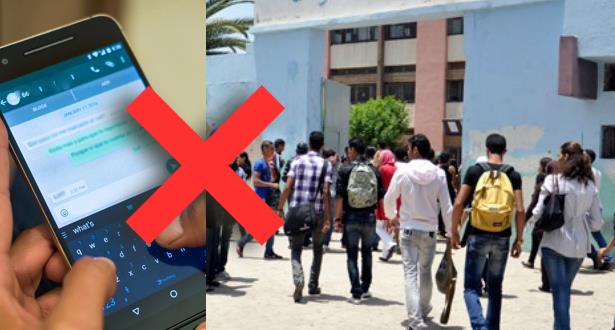
The most important and important thing in the project is a ban The introduction and use of phones within educational institutions except with administrative permission and for specific pedagogical purposes. Article 07 and 08, respectively, stipulate the necessity of preventing the sale of phones to children under the legal age except with the approval and accompaniment of the guardian, while obligating the telecommunications company to verify the identity of the purchaser, while Article 09 requires social media platforms and application providers to block content that is not appropriate for children under sixteen years of age and within standards set by the competent authority within the framework of proactive protection from Harmful content
Article 11 obliges the authorities concerned with protecting children and educational institutions to organize national campaigns to raise awareness of the dangers of digital addiction and encourage the safe and responsible use of technology, while Article 12 obligates the Ministry of National Education to integrate digital education programs into the school curricula to promote a culture of safe use, while Article 13 emphasizes that regulatory and educational penalties in the event of violating the provisions of this law are determined by subsequent regulatory texts, taking into account the educational rather than punitive nature, in line with the philosophy of the text based on Protection and guidance before deterrence.
Fouad Q
#Banning #introduction #phones #educational #institutions #Algeria