The law criminalizing colonialism is blowing discussions between Algeria and Paris! – New Algeria

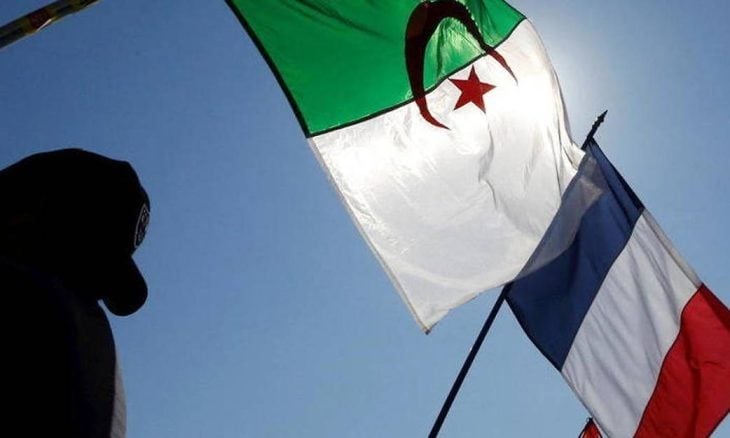
Comment French Minister of the InteriorLaurent Nuñez, in his latest public appearance, confirmed the Algerian Parliament’s approval of a law Criminalizing French colonialismAnd the extent of its repercussions on “Algerian-French” relations, after more than a year of stagnation and estrangement in bilateral relations, saying that “the Algerian Parliament’s characterization of French colonialism as a state crime undoubtedly constitutes an obstacle to the discussions that were ongoing between the two parties regarding the issue of the release of the French journalist imprisoned in Algeria, Christophe Glez.”
The French Interior Minister explained, in an interview with the France Inter radio channel, today, Tuesday, that “after Algeria released the French-Algerian writer… Boualem SansalToday, France hopes for the release of journalist Christophe Gleize, saying in this regard: “We are doing everything in our power to release him (Gleze), so be confident of that.” If a presidential pardon is issued, that would be a very good thing, of course. But what I would like to say in particular is that what happened recently, which is Tauseef Algerian Parliament For French colonialism to be a state crime constitutes, without a doubt, an obstacle to the ongoing discussions. However, it is continuing at the technical level.” He also added that “there is currently no program for a visit by him to Algeria.”
After years of waiting, and in an “unprecedented” step that carries many connotations and symbolisms, representatives of the National People’s Assembly ratified, a few days ago, a draft law criminalizing French colonialism in Algeria, which would place the French administration in a fait accompli of recognizing its crimes committed against the Algerians throughout 132 years of occupation, including Nuclear testsand internationally documented crimes of genocide and against humanity, in light of the growing disputes between Algeria and Paris, which led to the deterioration of bilateral relations and reaching their worst stages since independence, reaching the point of “estrangement” during the past year, with the withdrawal of ambassadors and the freezing of security and consular cooperation.
The law criminalizing colonialism, which comes into force after its approval by Parliament, demands that the French state bear “legal responsibility for its colonial past in Algeria, and the tragedies it left behind” and demands “comprehensive and fair” compensation for all the material and moral damages caused by colonialism. As he demands France By returning “the stolen treasury funds” and all property transferred from Algeria, including the National Archives, in addition to obligating the Algerian state to seek “official recognition and apology from the French state for its colonial past” and “cleaning up the sites of nuclear explosions,” as well as “handing over maps of nuclear explosions, chemical experiments, and planted mines.” Furthermore, the law imposes prison sentences and the denial of civil and political rights for anyone who “promotes” colonialism or denies that it is a crime.
Parliament’s approval of this law comes at a time when Algerian-French relations are going through one of the worst crises in the history of the two countries, following the campaigns of escalation and hostility launched by French parties against Algeria many months ago, while Paris’s recognition of the autonomy proposal as a solution to the conflict in the occupied Western Sahara constituted a fundamental turning point in relations between the two countries.
Regarding the case of the French journalist imprisoned in Algeria on charges of “praising terrorism,” Christophe Glez has long sought to benefit from a presidential pardon issued by President of the Republic Abdelmadjid TebbouneIn conjunction with the issuance of two presidential pardons in favor of prisoners during the recent period, the matter concerns the Algerian-French writer, Boualem Sansal, for humanitarian reasons, and at the invitation of the German President, as well as the historian and university professor, Mohamed Al-Amin Belghith, who in turn benefited from a presidential pardon, in accordance with the provisions of Article 182 of the Constitution, and based on the advisory opinion expressed by the Supreme Judicial Council..
The French administration is trying hard to pressure Algeria to release the French journalist imprisoned in Algeria, Christophe Glez, who was sentenced to seven years in prison on charges related to “glorifying terrorism,” through his ties to the “MAC” movement, which is classified as terrorism in Algeria. By recruiting its media arsenal and mobilizing them together to release the French journalist, Paris seeks to repeat the same scenario of writer Boualem Sansal, who was arrested in… Algeria For nearly a full year, he was sentenced to five years in prison, on charges of “harming national unity and deliberately promoting false news that would harm public order and public security and insulting a statutory body.” Then he benefited from a presidential pardon, for humanitarian reasons, at the invitation of the German President.
Abdo.H
#law #criminalizing #colonialism #blowing #discussions #Algeria #Paris #Algeria
oussama_boulegheb