9 constitutional reservations to the internal regulations of the lower chamber – New Algeria

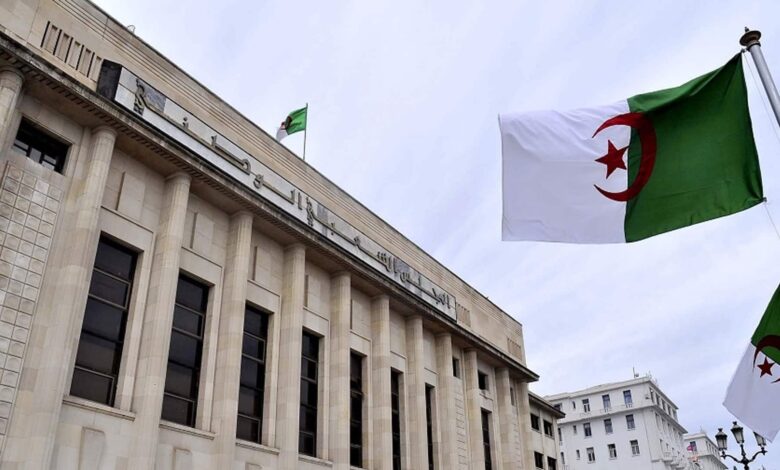
The internal regulations of the National People’s Assembly were included in the latest issue of the Official Gazette, and were attached to the reconciliation decision issued by the Constitutional Court, which included reservations and rewording of 9 other provisions. In addition to this, what was decided in a previous court decision issued last July, which stipulated the cancellation of 5 provisions out of 20 that were reserved.
What is interesting to note is that the new system includes the provisions of the Constitution that have to do with the building of the First Chamber of Parliament, which enshrines the role of the parliamentary opposition, the most important of which is membership of the bureau and committees, allowing it to actually participate in preparing the agendas, in addition to expressing an opinion on draft laws and their proposals, and its right to organize at least a monthly session to discuss the agenda. This is in accordance with what Article 116 of the Constitution stipulates, and it is a right conditional on the necessity of the proposed topics being consistent with the requirements of the national interest and not conflicting with Constitutional constants of the state.
Deduction from pay to reduce absence
The new legislation granted the office the authority to provide protection to representatives of the people subject to legal prosecution by submitting a request to stop judicial prosecution within the limits granted by the Basic Law to the representative. It is also noteworthy that the new legislation opened the way for the financial punishment of representatives as a legal deterrent method to reduce the phenomenon of absences.
This legislation came with a new provision that combats the phenomenon of political roaming by stripping the representative of his parliamentary mandate in the event that he changes his political affiliation on the basis of which he was voluntarily elected. The new bylaws stipulate that the representative exercises his national mandate in compliance with the constitution and applicable legislation, and after taking the constitutional oath in a public session before assuming his duties. He also enjoys immunity for the opinions and votes he expresses within the framework of parliamentary work.
Arabic is a reference language in the sessions
It also stipulated adopting the Arabic language as a reference working language in sessions and documents, with the possibility of using the Amazigh language in some interventions, and attaching some documents with translations into French for informational or technical purposes. In the context of legislative work, the internal regulations set the procedures for depositing draft laws and their proposals with the office of the lower chamber and then referring them to the relevant committees after the office deliberated and discussed the texts article by article and the amendments proposed to them, leading to the final vote in accordance with the constitutional formulas, and also set the patterns of voting within the Council between ballots. Public and secret ballot, while enshrining the principle of individual voting.
Reconsidering the powers of the Council President
The Constitutional Court observed several deficiencies in the amended version of the bylaws, in addition to those recorded in its decision issued on July 15, 2025 last, and the matter relates to Articles: 10, 24, 35, 50, 118, 119, 121, 126, and 143.
The court shed light on Article 10 related to the powers of the president of the lower chamber. According to what was stated in the Official Gazette, this article requires reformulating to ensure its compatibility with the principles of national sovereignty and the rule of law, taking into account the constitutional limits of powers and not exceeding them. The same situation applies to Article 24, which revolves around the distribution of tasks and powers to the Council’s committees. The Constitutional Court considered that the current wording lacks sufficient clarity in defining the committees’ powers and legal responsibilities, which may lead to confusion in implementing laws and exercising oversight. Parliamentarism.
Other reserved articles include Articles 118 and 119 related to framing the interventions of representatives and their right to discuss draft laws and proposals by adding a fifth paragraph to Article 118, and also the ninth paragraph of Article 126, which specifies 5 questions per month, so that it became possible for representatives to ask a larger number of questions in exchange for adhering to the formal and substantive conditions for accepting them, such as respecting the constitution and waiting six months before being able to resubmit the same question. The request or question itself.
#constitutional #reservations #internal #regulations #chamber #Algeria